
Learning Is a Lifestyle

The Everyday Educator podcast is your weekly reminder to open your eyes to the world as your classroom, your encouragement that you don’t have to homeschool alone, and your lifeline for practical tips and resource suggestions for the road ahead.

A family drawing at the kitchen table

Listen to the Latest Episode

How to Prepare for the CC Senior Thesis: A Parent’s Guide

Your student is approaching Challenge 4 — and suddenly the words “senior thesis” are everywhere. What exactly is it? Who’s involved? And how do you help without taking over? In this episode of the Everyday Educator podcast, host Lisa Bailey sits down with Timothy Knotts, Director of Challenge Development at Classical Conversations, and CC grad and Challenge 4 tutor Daniel Shirley to walk parents through every stage of the Senior Thesis project — from choosing a topic all the way to the live defense. Consider this your field guide. Lisa opens by clarifying what the Senior Thesis actually is: a two-part project involving a research paper and a live defense in front of an audience that includes parents, peers, judges, and often extended family. It’s one of the few programs in classical education that asks students to stand up, present what they’ve discovered, and answer unrehearsed questions in real time. Terrifying and wonderful, as Tim puts it. The heart of the conversation is the question of how to choose a thesis topic — and both guests are emphatic: the topic must come from genuine passion. Daniel offers three examples of thesis statements students should avoid — “the government should not be involved in mental health,” “the Bible is the most important book in history,” and “toothpaste is very important for dental hygiene” — and explains what all three have in common: they’re too broad, too generic, or too obvious to be genuinely arguable. Tim adds that the thesis must be arguable not just to others, but by the student themselves. If they’re not wrestling with it, they’re not discovering anything. Tim offers a liberating reframe: the thesis statement itself is not set in stone. It should remain in conversation with the research and the writing all the way to the final draft. Students who discover they don’t care about their topic two months before it’s due — and try to start over — are usually headed for a train wreck. But students who remain open to refining their thesis as they learn more will find the process genuinely rewarding. Daniel frames the whole project as an Odyssean adventure: navigating by stars, not by GPS. The path is imprecise and full of course corrections. That’s not a bug — that’s the point. The capstone is meant to ask the student to truly wonder and discover, not to prove what they already think.

What You’ll Learn •    What the Senior Thesis actually is: the two parts, the people involved, and what it’s really preparing students for •    Why a thesis needs to be something the student can’t not ask — and what happens when it isn’t •    Three examples of bad thesis statements (and what makes them bad) so your student doesn’t make the same mistakes •    Why the thesis should be treated like an adventure — not a dissertation •    How the thesis statement should stay in conversation with the research and writing, all the way to the end •    What parents should and shouldn’t do — the vice of excess and the vice of deficiency •    How to use memoria to help your student find a topic they genuinely care about •    The role of a mentor (not the parent, not the director) and why the same question lands differently from different people •    Research avenues CC families may not know about: CC Plus, the Steelman Library at SEU, and Adler’s Synopticon •    What book Tim recommends parents and students read together before Challenge 4 even begins

This episode of Everyday Educator is sponsored by:  Classical Conversations just released “The Habits of a Classical Education”—the long-awaited successor to “The Core.” This resource helps you naturally integrate the Five Core Habits into daily life, enabling classical, Christian education where relationships and lifelong learning flourish. It’s here! Order your copy of “The Habits of a Classical Education: Practicing the Art of Grammar” here during the April sale!

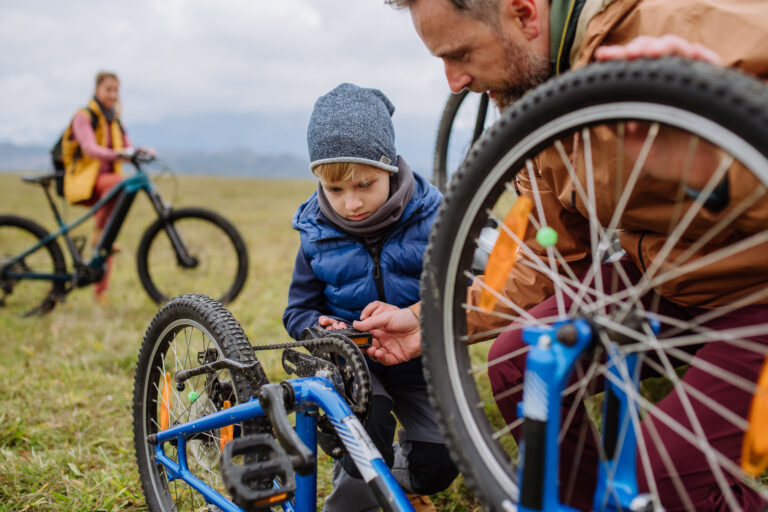
A dad teaches his son how to fix a bike

About Everyday Educator

Everyday Educator began in 2015 with a simple purpose: to help other parents leap over the hurdles and steer around the potholes encountered on the homeschooling journey by laying out simple systems to apply the classical tools of learning.

Now, the show has reached over one million downloads and is enjoyed by homeschool families all over the world.

Enthusiastic lifelong learner Lisa Bailey, often joined by fellow everyday educators, comes alongside listeners to offer much-needed encouragement, present practical tips, and suggest helpful resources to make homeschooling a little more doable.

You don’t have to do this alone. Everyday Educator will encourage, equip, and inspire you to continue on the journey with excellence!

Meet Lisa Bailey

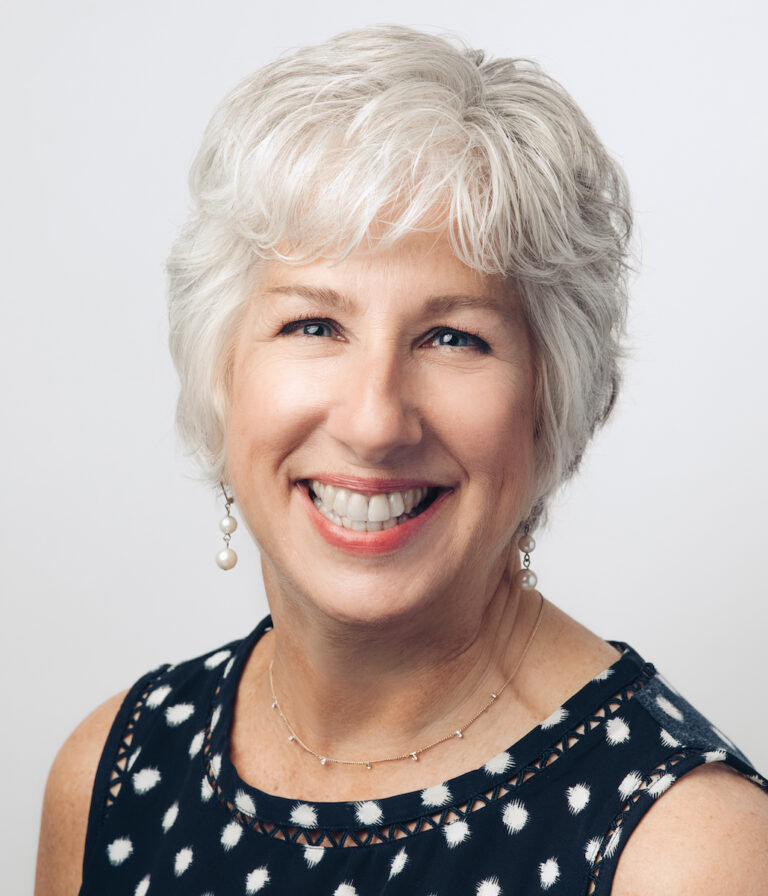
Lisa Bailey has been a homeschool mom for more than twenty years and is the mother of two Classical Conversations Challenge program graduates. She has served in a variety of positions at Classical Conversations since 2004 and most recently serves as a Lead Curriculum Developer at Classical Conversations Multi-Media. As host of the Everyday Educator podcast since its humble beginnings, Lisa considers herself blessed with the unique opportunity to encourage homeschool families across the nation and around the world.

Lisa Bailey headshot